



**Thousands of Drivers Wrongly Fined for Speeding Since 2021: An Investigation**
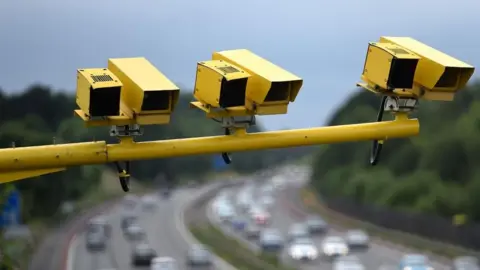
In a startling revelation, it has come to light that thousands of drivers across England may have been incorrectly fined for speeding due to a malfunction in speed camera operations since 2021. National Highways, the agency responsible for England’s road network, has reported a significant error involving 2,650 wrongful activations of speed cameras on major A roads and motorways. This anomaly highlights serious flaws in how speed cameras and variable speed signs interact, leading to wrongful penalties for unsuspecting motorists.
On December 16, 2025, National Highways announced that these erroneous fines stemmed from a synchronization issue. Specifically, there was a delay of approximately ten seconds between the speed cameras and the variable speed signs. As a result, some drivers were wrongly identified as exceeding speed limits after the regulations had already changed, leading to unwarranted penalties. Despite the severity of the error, it is critical to note that not all camera activations are enforced. Consequently, not every wrongful activation has necessarily resulted in a fine.
The implications of these findings extend beyond the facts of the case. For those affected, the ramifications are both financial and legal. Affected drivers will be directly contacted by law enforcement agencies to inform them of the incorrect fines, and measures will be taken to reimburse any penalties that were imposed due to this mishap. Furthermore, points accrued on their driving licenses as a consequence of these errors will also be revoked.
In response to the discovery of these shortcomings, Nick Harris, Chief Executive of National Highways, expressed an apology on behalf of the agency. He reassured the public that a solution to this technical glitch has been identified and emphasizes that safety remains the agency’s top priority. “All drivers should continue observing the posted speed limits as normal,” Harris stated. “Anyone who has been impacted will be contacted by the relevant police force.” This statement underscores the agency’s commitment to addressing this issue and restoring public confidence in the integrity of traffic enforcement.
The agency explained that the issues were caused by an “anomaly” in how the systems operated, particularly how variable speed cameras communicated with signage on the roads. This serious glitch not only affects the accuracy of speeding enforcement but also elevates concerns regarding the reliability of existing traffic monitoring systems.
National Highways has reported that these incidents represent a minuscule fraction of the total camera activations, with over 6 million activations recorded on the affected roads since 2021. This data suggests that the erroneous activations translate to less than two incidents per day, impacting nearly ten percent of England’s motorways and major A roads.
In an effort to mitigate further errors and to regain public trust, the agency is now collaborating with police forces to review all speed camera activations thoroughly. To ensure that no further wrongful prosecution occurs, police forces have temporarily halted the issuing of fines stemming from variable cameras until they can establish confidence in the accuracy of the systems in place.
A representative from the Department for Transport has also publicly apologized to all individuals impacted by this oversight. The spokesperson indicated that safety was never compromised during this period; however, there is a clear commitment to preventing any future wrongful prosecutions. The assurance is that enforcement measures will remain in place, and drivers can have confidence that only those who genuinely violate speed regulations will face penalties.
In conclusion, the unfolding of this major oversight serves as a critical reminder of the importance of maintaining the integrity of traffic enforcement systems. With ongoing investigations and efforts to rectify past mistakes, the hope is not only to bring justice for those wrongly fined but also to enhance the reliability of traffic monitoring for the safety of all road users.