

The ongoing Ashes series has been engulfed in controversy, particularly due to the contentious use of Snicko technology that has prompted calls for its reassessment. As England navigates a challenging position towards defeat in the third Test at Adelaide, discussions surrounding technological mishaps have intensified, leaving players and commentators alike questioning the reliability of the technology used for adjudicating catches.
The current discussions were reignited after several critical calls involving the England wicketkeeper, Jamie Smith, notably during crucial moments in the match. On the first day of play, a notable incident involved Alex Carey, who benefited from a mistake made by the technology operator when he was not given out despite showing a spike that suggested he had edged the ball. This miscalculation served as a precursor to the subsequent decisions involving Smith, where both his not-out and out calls generated considerable debate and frustration on the pitch.
As the match unfolded, Smith faced two significant decisions; the first saw him remain not out after an appeal for a catch was dismissed by umpires. However, in a later at-bat, while scoring 22 runs, he was ruled out after Australia’s Pat Cummins bowled, leading to a classic test of concentration for the players and umpires involved. This appeal was marked by the boisterous exchanges among the Australian players, with one infamously declaring, “This could be anything,” prior to Smith’s dismissal.
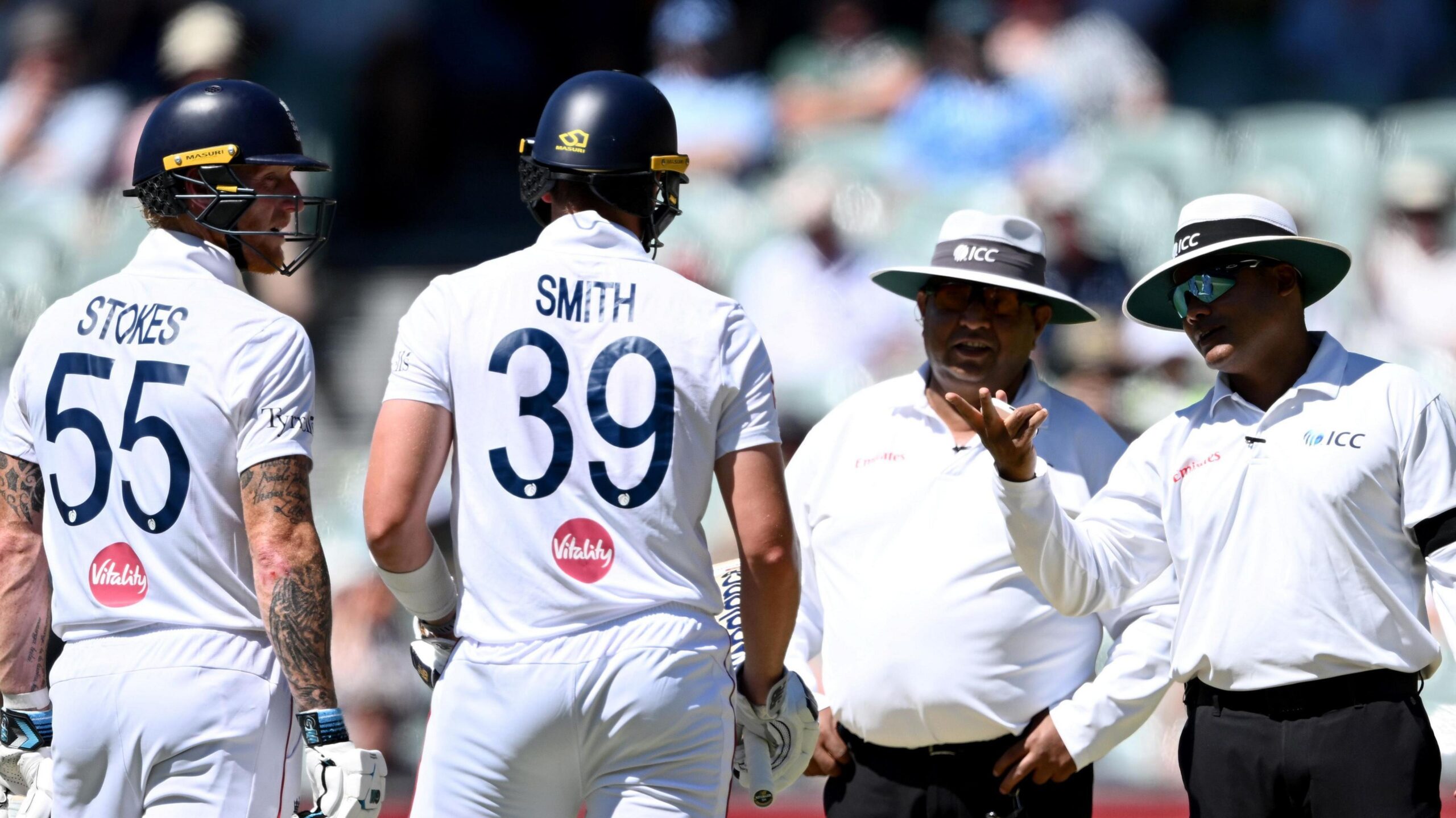
The apparent distrust of technology was palpable on the field. Smith’s walking off the field, visibly frustrated, mirrored the sentiments echoed by England’s captain, Ben Stokes, indicating broader issues of faith in the current technology. The contentious nature of the Snicko technology soon became clear, with players openly expressing skepticism about its accuracy and resulting clarity in assessing edge calls.
Details surrounding the incidents continued to complicate the narrative when discussing the right processes employed by the umpires in the decision-making chain. Players from both sides were seen engaging in discussions with umpires, suggesting an underlying tension stemming from the contentious use of technology. Reviewing key moments of the match, particularly the second of Smith’s dismissals, amplifies the scrutiny placed on Snicko, and how the technology might not be providing the definitive clarity expected from such an advanced system.
After the umpire, Chris Gaffaney, reviewed the footage for the second incident involving Smith, the eventual decision appeared to rely on a brief spike displayed by Snicko; however, this was cast under a shadow of doubt as players were hesitant to trust the findings. Analysts and former players quickly picked up on this sentiment, with some openly calling for the Snicko technology to be eliminated from use based on its faulty application during the game and unreliable results, which seemed to affect player morale significantly.
In retrospective analyses by cricket commentators, the case of Snicko has drawn comparisons with the broader review systems governed by the International Cricket Council (ICC), which states that not only must the question of whether a ball has been caught be addressed, but also whether the batter has hit the ball. The broader implications of these incidents embed themselves within the fabric of the current Ashes series, as it raises questions about the efficacy and future deployment of technological solutions in cricket.
In conclusion, the ongoing controversy regarding Snicko in the Ashes series is emblematic of a larger conversation on technological misuse and trust within the sport of cricket. As England faces further challenges in their series against Australia, the discussions on technology, particularly Snicko’s reliability, will undoubtedly continue to evolve, shaping how technology is viewed and utilized in the future of cricket. Overall, the current events illuminate significant areas for improvement and adaptation to align the integrity of the game with the technological advancements available.