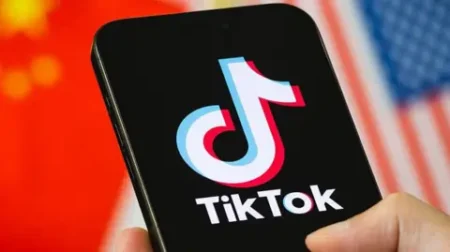



Zhang Yiming, the co-founder of ByteDance—the company behind the global phenomenon TikTok—has recently been recognized as the richest person in China. This notable shift in wealth is attributed to the soaring global popularity of TikTok, which continues to resonate with users across various demographics and regions. Yiming’s net worth has reportedly surged to an impressive $49.3 billion (£38 billion), reflecting a 43% increase since 2023, as documented in the rich list compiled by the Hurun Research Institute. This remarkable financial growth is especially striking considering the backdrop of economic fluctuations within the Chinese market.
At the age of 41, Zhang Yiming is a technology entrepreneur whose influence on the digital landscape is undeniable. Although he stepped down from his role at the helm of ByteDance in 2021, Yiming reportedly retains a significant stake in the company, owning approximately 20% of its shares. This ownership stake has proven to be exceptionally lucrative, particularly in light of TikTok’s status as one of the most downloaded and frequently used social media applications globally. Despite some countries expressing serious concerns regarding TikTok’s potential ties to the Chinese government, the app’s success endures, contributing greatly to Yiming’s wealth.
The growing tensions between China and the United States have cast a shadow over TikTok’s future, with proposals for a ban on the platform in the U.S. set for January 2025 unless ByteDance, its parent company, agrees to divest its interests in the app. Despite this external pressure, ByteDance reported a remarkable global profit increase of 60% over the past year, showcasing the app’s ability to thrive in challenging conditions. Rupert Hoogewerf, head of the Hurun Research Institute, noted that Yiming’s status as the 18th individual to claim the title of “Number One” in China over the past 26 years reflects the dynamic nature of the Chinese economy.
The economic landscape in China, however, has not been entirely favorable for everyone. While Zhang Yiming’s fortunes have surged, many within the tech sector have faced challenges. According to the Hurun rich list, only 30% of the individuals listed saw an increase in their wealth during a year when the broader Chinese economy exhibited signs of stagnation. This downturn stands in stark contrast to the U.S. landscape, which has had only four distinct individuals ascend to the title of the richest over several years: Bill Gates, Warren Buffett, Jeff Bezos, and Elon Musk.
Among Yiming’s contemporaries, Pony Ma, the head of the tech giant Tencent, ranks third on the Hurun list with an estimated net worth of £44.4 billion. While both tech leaders enjoy substantial wealth, it’s evident that the broader sector is facing headwinds, with many companies reporting reduced earnings. In particular, the Hurun report detailed a decline in wealth among solar panel manufacturers, lithium battery producers, and electric vehicle (EV) makers due to intensified competition and market saturation.
Mr. Hoogewerf commented on the shrinking rich list, noting that it experienced a contraction for the third consecutive year, correlating with a challenging economy and tumultuous stock markets in China. The number of billionaires on the list decreased by 12% within the last year, bringing the total down to just under 1,100 individuals—a significant reduction from the peaks observed in 2021. Factors influencing this decline included a lack of successful enterprise growth across various sectors, particularly in green technology investments.
In conclusion, while Zhang Yiming has emerged as a symbol of wealth in the tech industry, significant changes are underway in the broader Chinese economy that could shape future narratives of wealth and success. The contrasting fortunes of tech tycoons amidst an evolving market underscore the unpredictable nature of economic growth and the challenges that await the next generation of entrepreneurs. With ongoing scrutiny, regulatory challenges, and the ever-changing landscape of global technology, the fortunes of individuals like Yiming may very well mirror the complexities of their industry.