

On a significant day in contemporary geopolitics, the iconic Notre Dame Cathedral will serve as the monumental setting for President-elect Donald Trump’s anticipated return to the international stage. This remarkable backdrop underscores a ceremony scheduled on Saturday to celebrate the completion of a five-year restoration project aimed at revitalizing the beloved Gothic landmark. French officials, alongside a host of world leaders, will mark this occasion, indicating the importance of this event not only for France but also for transatlantic relations.
As Trump prepares to take office at the White House once again in just over six weeks, his arrival in Paris comes at a critical juncture for various Western governments. These nations, including France, are currently navigating a complex landscape marked by a struggle between traditional liberal democracy and the emergence of right-wing political movements that challenge established norms. This tension holds significant implications for international stability and cooperation.
French President Emmanuel Macron, recently inaugurated into his second five-year term, has extended an invitation to Trump for this high-profile event. This invitation reflects his dual ambitions of consolidating a fracturing government at home while maintaining France’s influential stance in global affairs—especially regarding the ongoing conflict and support for Ukraine against Russian aggression. Macron’s pursuit of diplomatic reinforcement comes amid growing concerns about sustaining Western unity in the face of external threats.
As the newly elected president, Trump has persistently emphasized his intention to broker an immediate peace in the region. However, this desire raises alarm among Ukraine’s supporters, who fear that Trump’s approach might favor a ceasefire or peace agreement benefitting Russian President Vladimir Putin. Given Putin’s lack of willingness to withdraw from the ongoing war, this potential compromise has sparked widespread debate and skepticism among allies.
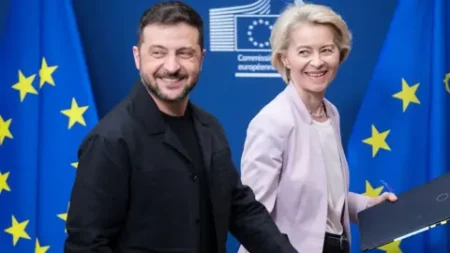
Macron’s ability to attract Trump to Paris signifies a diplomatic triumph, earning him recognition from the French media as a strategic maneuver. He has established a favorable rapport with Trump, even being the first foreign leader to congratulate him on his electoral success. Notably, Macron has arranged for multiple meetings with both Trump and Ukrainian President Volodymyr Zelensky prior to the ceremony, demonstrating his commitment to fostering dialogue, though it remains unclear whether Trump and Zelensky will converse directly.
Details surrounding Trump’s visit to Paris have been the subject of extensive planning, revealing his keen interest in attending. The cathedral itself holds significant personal resonance for Trump, who expressed his sorrow through social media during the tragic fire that swept through Notre Dame in April 2019. The disaster captivated millions while devastating its architecture. Investigators later determined it was an accidental blaze, but the specifics remain murky.
Trump’s suggestion during the fire crisis to utilize aerial tankers for firefighting was quickly dismissed by French authorities, who warned that such actions could endanger the cathedral’s structural integrity. This history has led to mixed public reactions regarding Trump’s visit, drawing both admiration and satire. Prominent late-night comedians in the U.S. made light of the situation, with quips about Trump’s desire to repurpose the cathedral into a casino or how the cathedral might flair up again upon his arrival.
Despite the mockery, the event holds serious implications for Macron. His promise to rebuild Notre Dame within five years was a pledge made shortly after the fire, echoing his dedication to preserving the significant cultural heritage represented by the cathedral. The stakes are higher now as he grapples with the fragile coalition needed to support Ukraine in its ongoing conflict.
In his congratulatory message to Trump on X (formerly Twitter) last month, Macron alluded to their initial partnership during Trump’s first presidency—often described as a bromance. He expressed eagerness to collaborate once again, highlighting shared ambitions for peace and prosperity. Macron’s efforts to reconnect with U.S. leadership coincide with broader aims to stabilize alliances that are feeling the strain from global uncertainties.
Adding to the intrigue of the day, First Lady Jill Biden will also attend the ceremony, although she is not expected to engage in high-level meetings. Trump’s visit coincides with his nomination of Charles Kushner, his son-in-law’s father, as the next ambassador to France, further intertwining personal and political narratives.
This high-profile gathering in rekindling Franco-American ties reflects not only specific bilateral interests but also signals the shifting dynamics within the G7 framework, as Macron prepares to engage in discussions with Trump following recent friendly overtures. As the leaders navigate the complex geopolitical landscape, the atmosphere surrounding the reopening of Notre Dame signals broader implications for NATO, European stability, and international diplomacy.