



In 2025, the cost of a TV licence in the UK is set to rise by £5, bringing the total to £174.50. This announcement was made by the government, specifically from the Department for Culture, Media and Sport (DCMS), which indicated efforts to support more households in managing the financial burden of the fee. The increase, which will take effect in April 2025, is said to be considerably lower than the more substantial £10.50 increase imposed earlier this year, reflecting changes in how future fees will be calculated.
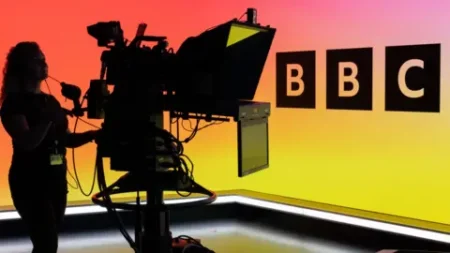
The TV licence fee primarily funds the BBC’s programming and services, making it a crucial topic of discussion for both government and citizens alike. Culture Secretary Lisa Nandy emphasized the necessity for an “honest national conversation” regarding the long-term viability of the BBC. This conversation will take place as part of a review of the BBC’s charter, which defines the operational framework of the corporation and is due for renewal in 2027. Maintaining a sustainable public funding model is essential, according to Nandy, while also ensuring fairness for those who contribute to this model.
In a bid to assist financially troubled households, the government plans to expand the Simple Payment Plan (SPP), allowing an additional 9,000 households to opt for more manageable payment arrangements. This step affirms the government’s commitment to both providing funding certainty to the BBC and supporting citizens facing financial hardships. Moreover, this regulatory framework hints at the government’s strategy to tie increases in licence fees to inflation rates, reverting to a practice employed prior to a shift to monthly calculations last year.
Interestingly, the DCMS has chosen to discontinue a review of the BBC’s funding model initiated by the previous government, disbanding the associated expert panel. Instead, the upcoming charter review will encompass a thorough examination of the BBC’s funding within a broader context, focusing on capturing independent expert advice and stakeholder perspectives to determine the best approach to securing the BBC’s future.
The BBC, as an institution, faces challenges with audience engagement, particularly among younger viewers and those from lower socio-economic backgrounds. As outlined in Ofcom’s annual report, the broadcaster has struggled to sustain these viewer demographics. Although competition from various digital platforms has intensified, the BBC remains the predominant media brand in the UK, holding a significant share of viewership across television, radio, and online settings.
According to Ofcom, audience trust in the BBC remains relatively high, with 61% of UK adults viewing the broadcaster favorably. However, statistics show that a smaller portion of younger individuals and people from less affluent backgrounds engage with BBC services—only 78% of those aged 16-34 and 79% of lower socio-economic groups use at least one BBC service weekly, compared to 86% of the overall adult population.
Moreover, there is a notable reduction in the time younger audiences allocate to BBC programming, which has dwindled from an average of 75 minutes per day in 2017 to just 46 minutes in 2023. This trend underlines a persistent issue that the corporation must contend with to secure its relevance among younger generations.
Beyond addressing its funding structure, the BBC has to be transparent regarding initiatives aimed at improving its engagement with younger and disadvantaged audiences. Yet, Ofcom’s report also acknowledges areas of strength for the BBC, particularly in delivering high-quality news and current affairs content that audiences feel they can rely on, especially during critical events such as national elections and international crises.
Further bolstering the BBC’s resources, Foreign Secretary David Lammy has also announced a supplementary £32.6 million funding package for the BBC World Service for the fiscal year 2025-26. These financial measures reflect a broader commitment to the BBC, grappling with modernization demands while aiming to maintain its pivotal role in UK media for years to come.
In summary, the rise in the TV licence fee is a multi-faceted issue that intertwines funding, audience engagement, and the evolving media landscape, demanding careful attention from both the government and the BBC to meet the needs of a diverse audience in an increasingly digital age.