



The ongoing Covid-19 Inquiry has entered a pivotal phase, focusing on government responses to the pressing economic challenges posed by the pandemic. The third stage of the inquiry, which commenced recently, is set to scrutinize the multiple strategies implemented to maintain workers’ income and support businesses that were severely affected when lockdown measures were enforced. This investigation is critical, as it aims to understand the efficacy of financial support schemes deployed by the UK government and various devolved administrations in Scotland, Wales, and Northern Ireland during this tumultuous period.
According to reports from the Treasury, a staggering £140 billion was allocated for business support, primarily aimed at covering wages for individuals who could not work due to the restrictions. A significant component of this financial assistance was the Coronavirus Job Retention Scheme, often referred to as furlough, which played a crucial role during the peak of the crisis. This scheme, active from March 2020 until September 2021, covered nearly 11.7 million jobs at an estimated cost of £70 billion, allowing employees to retain some income while many businesses were forced to close their doors.
Despite widespread appreciation for the prompt implementation of support schemes, particularly in sectors like travel and hospitality, the inquiry is set to highlight criticisms surrounding the design and management of these initiatives. Concerns have been raised regarding the safeguards against fraud and the potential for errors within the system. Additionally, the inquiry will explore whether these measures inadvertently discouraged individuals from seeking new employment opportunities.
The upcoming module of the inquiry, expected to run until just before Christmas, is particularly significant as it will not only investigate the economic interventions during the initial lockdown but will also provide insights on lessons learned for future public health crises. It will touch on various aspects beyond just furlough provisions, including support schemes for the self-employed, businesses, as well as public service funding such as subsidies for rail services to continue operating during lockdowns. This broader scope is aimed at assessing how comprehensive and effective the government’s financial strategies were in mitigating the economic fallout of the pandemic.
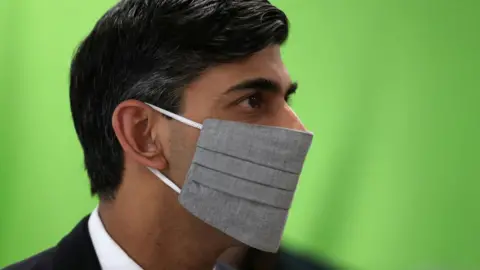
The inquiry is led by Baroness Hallett, who oversees a team tasked with dissecting ten critical areas of response. Among the notable figures scheduled to provide evidence are former Treasury officials and representatives from various charities addressing issues like child poverty and support for long Covid patients. Rishi Sunak, who served as the Chancellor of the Exchequer during much of the pandemic, is also expected to present his viewpoints in the coming weeks.
Initial testimonies in the inquiry will include impactful personal stories from individuals who navigated the challenging circumstances brought on by the pandemic and the ensuing government response. A film designed to capture these experiences is set to commence the proceedings, followed by core submissions from legal representatives. Labour market expert Mike Brewer is slated to be the first expert to present evidence, aligning the inquiry’s focus on the real-world implications of the policies executed during the pandemic.
In light of a recent critical report on the government’s overall decision-making during this period, which described a “toxic and chaotic” environment within the cabinet, the public hearings aim to foster accountability for both past decisions and future policymaking. Former Cabinet Minister Michael Gove has expressed an intention to apologize for the struggles many faced during the pandemic, acknowledging the immense human losses and sacrifices.
This inquiry’s findings are anticipated to inform better preparedness for any potential future public health emergencies. The conclusion of these hearings, scheduled for December 18, represents not just a reflection on past actions but serves as a crucial opportunity for the government to learn and improve its crisis management strategies going forward. Through these discussions, stakeholders aim to build a robust framework for maintaining economic stability, securing public health, and ultimately prioritizing the wellbeing of society.