


The recent figures from the Office for National Statistics (ONS) indicate that the UK economy experienced an unexpected contraction of 0.1% in October 2023. Analysts had anticipated a growth of 0.1%, making the turn of events particularly surprising and concerning for economic strategists and policymakers alike. This contraction comes on the heels of a similar decline of 0.1% in the rolling three-month period leading up to October, which suggests a troubling trend for the economic future of the United Kingdom.
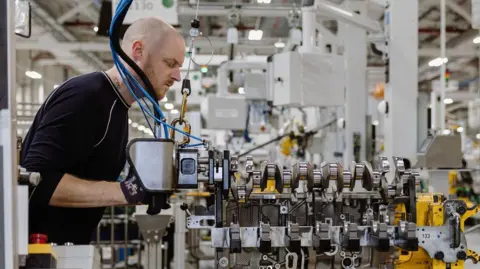
One of the major contributing factors to this downturn appears to be a significant cyber-attack that targeted Jaguar Land Rover, an essential player in the vehicle manufacturing sector. This incident not only halted production for the entirety of September but also had a lingering impact, causing only a minimal recovery in output during October. The repercussions of this attack contributed to the general uncertainty prevalent in consumer and business spending as both groups appeared to exercise caution in their financial commitments ahead of the Budget announcement.
The adverse data on the economic front has led to speculation regarding potential interest rate cuts by the Bank of England. Many analysts are positing that these figures could strengthen the case for monetary easing in the upcoming meeting, scheduled for next week. With economic growth being a central focus for the government, there is substantial pressure to devise and implement strategies that can effectively mitigate these declines and foster a more favorable economic environment.
In response to the bleak economic landscape, a Treasury spokesperson emphasized that the government is committed to driving growth by addressing pressing issues such as the reduction of energy bills and initiating significant infrastructure projects. Their aim is to defy the pessimistic growth forecasts, which they believe, if successful, would lead to improved public services and better job opportunities for the populace.
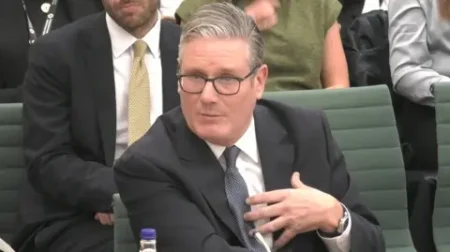
However, the opposition is not holding back criticism. Shadow chancellor Sir Mel Stride attributed the unexpected contraction directly to Labour’s economic policies. He accused the leadership, namely Rachel Reeves, of deceiving the public about tax increases and financial stability, asserting that she broke her promise regarding tax increases on working-class individuals, all while maintaining that the financial hole in public resources was overstated and erroneous.
From an economic forecasting perspective, Ruth Gregory, who serves as the deputy chief UK economist at Capital Economics, called attention to the reality that over the past seven months, growth had only registered positively on one occasion. This highlights a broader trend of economic stagnation, with production output falling — particularly notable in vehicle manufacturing, which experienced a staggering decline of 17.7%.
In addition, the services sector, which is a key element of the UK economy, recording three-quarters of overall economic activities, showed no growth during the period leading up to October. This lack of momentum is particularly troubling as it suggests underlying issues affecting consumer confidence and expenditure patterns.
Moreover, specialists in the field are observing that Budget speculation is feeding into consumer behavior, dampening overall enthusiasm for spending, as evidenced by reports from retailers like Card Factory, which indicated a cut in profit forecasts due to lackluster sales in a turbulent economic context. Economist Fergus Jimenez-England noted that while fiscal changes introduced in the Budget could alleviate some immediate uncertainties, it remains undetermined whether these would translate to greater economic activity.
In summary, the contraction of the UK economy in October 2023 underscores a confluence of domestic challenges exacerbated by external shocks, such as the aforementioned cyber-attack. The government’s response, the subsequent criticisms, and the predictive analytics about interest rates provide a complex yet crucial narrative that will guide economic strategies going forward. The outcome of these developments will determine the trajectory of Britain’s recovery and growth in the months and years ahead.