



Recent headlines across various UK newspapers suggest significant developments regarding education and media policies, with a focus on the UK’s potential rejoining of the Erasmus program and discussions surrounding the BBC’s future funding methods.
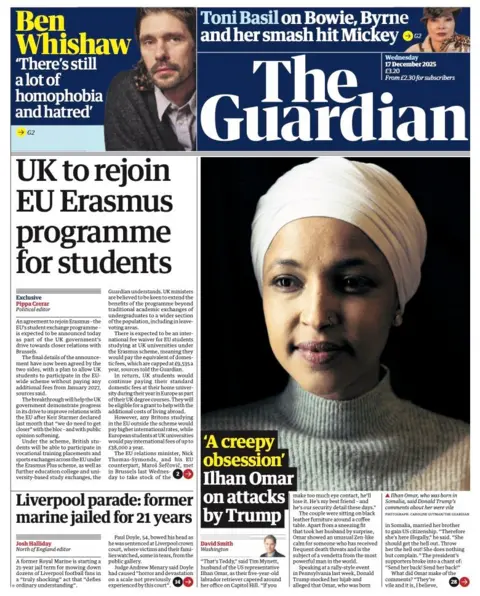
One of the key stories is the UK’s anticipated return to the Erasmus program, which facilitates student exchange across Europe. This news has been prominently featured in the **Guardian**, reporting that an official announcement is expected shortly. The proposal entails students participating in the EU-wide scheme without incurring additional fees, starting in January 2027. This announcement marks a significant policy shift and is seen as a substantial move towards reintegrating the UK into European educational frameworks.
The **Times** also highlights the same story, framing it as a positive outcome of the Prime Minister’s efforts to reset relationships with the European Union post-Brexit. This development is being celebrated as a landmark decision that will enable British students to benefit from the educational experiences offered by other European countries again, thereby enriching their academic qualifications and personal growth.
In a different context, the **Daily Mail** has shifted focus to the future of the BBC amidst discussions about its funding model. The newspaper indicates that the UK government is contemplating various alternatives for financing the broadcaster, including options such as advertising or subscription-based models. This shift could lead to popular programs, like **Strictly Come Dancing** and **The Traitors**, potentially being locked behind a paywall, thus changing how viewers access these cultural staples.
Moreover, **The Daily Mirror** reports on the ongoing legal confrontation involving Donald Trump, who has initiated a defamation lawsuit against the BBC. This legal context is significant, as the BBC has vowed to defend its stance regarding the edits made to a documentary featuring Trump. The mirror captures the broadcaster’s resilience in standing up against these allegations, indicating a steadfast commitment to journalistic integrity.
In the financial realm, the **Financial Times** covers crucial developments in labor rights legislation, with the government pushing through a bill that is poised to enhance workers’ protections. This legislative movement is welcomed by labor advocates, who see it as a powerful step towards improving the employment landscape in the UK.
Additionally, the **Metro** features a touching story about a nurse named Sarah Alcock, recognized for her selflessness in volunteering to support a neonatal unit during the Christmas season. Her dedication to saving the lives of prematurely born babies earned her a complimentary holiday for her and her family, showcasing the spirit of appreciation for those who serve in healthcare.
Warnings regarding workplace safety are prominently addressed in **The i Paper**, which has initiated a campaign to cut down on silicosis, a dangerous lung disease caused by exposure to toxic dust. This initiative aims to garner support for stricter regulations on silica exposure for workers in industries where such risks are significant, highlighting the need for increased protections.
Finally, the **Daily Express** and **The Sun** explore themes of recognition and celebration of individuals who have faced challenges, such as honoring police officers injured in the line of duty and highlighting stories of personal transformation, respectively. These stories instill a sense of resilience and remind us of the diverse narratives that come from the British populace.
In summary, the recent headlines encapsulate a mix of educational advancements, media evolution, and social recognition that is reflective of the significant changes occurring in the UK’s socio-political landscape. The potential reintroduction of the Erasmus program, discussions on BBC funding, and legislative progress in labor rights signal significant shifts towards a more integrated and equitable society. These developments, alongside human interest stories, contribute to a wider narrative about the values and aspirations within the UK today.