


**Uniqlo Chairman Asserts No Use of Xinjiang Cotton**
The topic surrounding the sourcing of cotton has gained significant attention in the fashion industry, particularly with regards to the controversial Xinjiang region of China. Recently, Tadashi Yanai, the chief executive of Fast Retailing—the parent company of the well-known global fashion retail chain Uniqlo—affirmed in an interview with the BBC that the company does not use cotton sourced from Xinjiang in its products. This announcement marks a noteworthy development as it is the first time Yanai has directly addressed consumer concerns regarding the sourcing of this specific cotton.
China plays a crucial role in Uniqlo’s operations, not only as a leading market but also as a primary manufacturing hub. The Xinjiang region was historically recognized for producing high-quality cotton, but its reputation has been severely tarnished due to allegations of forced labor practices involving the Uyghur Muslim minority. These revelations have prompted major global brands to reconsider their sourcing strategies, especially following stringent regulations imposed by the United States regarding imports from Xinjiang.
In 2022, numerous international brands felt the pressure to sever ties with Xinjiang-sourced products. This decision resulted in a substantial backlash from Chinese consumers, leading to boycotts of companies like H&M, Nike, and Adidas. Despite this tumultuous climate, Yanai previously refrained from confirming or denying Uniqlo’s use of Xinjiang cotton, opting instead for a neutral stance amid rising tensions between the US and China. His approach aided in maintaining Uniqlo’s popularity within China’s vast retail market.
However, during his recent discussion in Tokyo focused on enhancing transparency regarding material sourcing, Yanai openly stated, “We’re not using cotton from Xinjiang.” He further indicated the political sensitivity surrounding such discussions, stating, “Actually, it gets too political if I say anymore, so let’s stop here.” This direct statement signifies a shift towards greater accountability as public scrutiny evolves.
The pressures to take clear political positions have escalated for corporations, according to Isaac Stone Fish, the CEO of Strategy Risks, a firm specializing in business intelligence with a focus on China. Fish remarked on the complexity of navigating the political landscapes controlled by both Beijing and Washington, suggesting that companies can no longer remain neutral. As Uniqlo continues to expand significantly in markets like Europe and the United States, Yanai acknowledges that Asia remains their most substantial market, with China housing more stores than Japan itself.
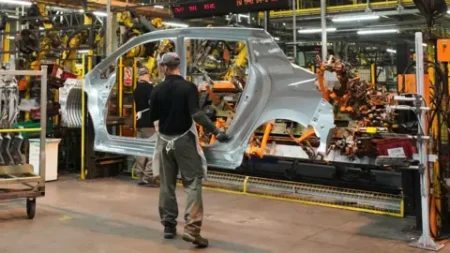
Uniqlo’s ambitious growth trajectory indicates plans to expand its presence in China to as many as 3,000 stores, up from the current 900 to 1,000 locations. This assertive growth strategy aligns with Yanai’s assessment of the Chinese consumer base, which stands at approximately 1.4 billion people. Alongside its retail aspirations, China serves as Uniqlo’s largest manufacturing hub, although production also occurs in countries like Vietnam and Bangladesh.
In a historical context, Yanai has consistently expressed concerns about the rising costs associated with Chinese manufacturing. In 2009, he noted that the firm was moving production to lower-wage countries, such as Cambodia, to maintain price competitiveness. However, he has since acknowledged the complexities involved in replicating China’s manufacturing excellence elsewhere.
As Uniqlo grapples with a plethora of challenges—including competition from ultra-fast fashion brands like Shein and Temu—Yanai remains steadfast in his belief that fast fashion is unsustainable. He emphasizes Uniqlo’s commitment to producing essential, durable items. Under his leadership for four decades, the company has burgeoned from modest beginnings to a global retail powerhouse generating annual revenues of 3 trillion yen.
The future trajectory for Uniqlo includes aspirations to surpass fashion giant Inditex, the parent company of Zara. Yanai’s vision involves expanding operations not only in China but also in the West, where consumers are becoming increasingly vigilant regarding ethical issues linked to supply chains. However, with geopolitical dynamics continually evolving, particularly the potential for heightened tariffs under future administrations, Uniqlo’s ambitions may encounter significant hurdles.