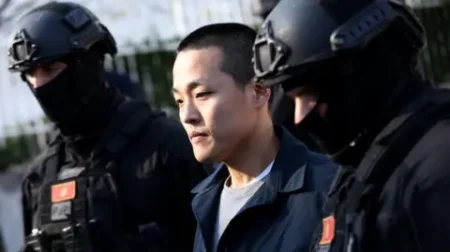



The perplexing case of Kizza Besigye, an opposition leader from Uganda, who mysteriously disappeared during a trip to Kenya, has recently gained widespread attention and condemnation. His sudden detention, deemed a clandestine collaboration between Ugandan and Kenyan authorities, raised alarming questions regarding human rights and the integrity of both governments. His disappearance, which occurred about two weeks prior to his reappearance in military court back in Uganda, has been met with outrage and concern from his supporters and various international observers.
Kizza Besigye is notably recognized for his long-standing opposition to President Yoweri Museveni, who has maintained power in Uganda since 1986. Despite undergoing multiple presidential campaigns, Besigye’s most recent venture into the political landscape included the formation of the People’s Front for Freedom (PFF), after separating from the Forum for Democratic Change (FDC). Notably, Besigye had maintained a presence in Kenya, frequently attending various political events without incident—until his latest visit, which took a sinister turn. Reports indicate that he was meticulously surveilled even from the moment he departed Entebbe International Airport for Nairobi. Following his arrival, he was allegedly approached by individuals posing as Kenyan security officers.
On November 16, 2024, Besigye arrived in Nairobi, looking to participate in a book launch for Kenyan opposition figure Martha Karua. He was escorted by his ally Hajj Obeid Lutale. Following his arrival, Besigye had communicated plans for a private meeting off Riverside Drive—what transpired next has been described as a brazen abduction. Hours passed without a sign of him, prompting concern from his associates back home when his phone calls went unreturned. His spouse, Winnie Byanyima, who leads the United Nations agency combating HIV/AIDS, took to social media declaring that her husband had been “kidnapped” in Nairobi.
The sequence of events that unfolded during that private meeting involved Besigye encountering individuals he had assumed were connected to potential financial support for his new political party. Amidst the discussions, a group of eight men disguised as police officers stormed the meeting, announcing Besigye’s arrest. Despite his protests regarding the items in the room—two firearms among them—they reportedly disregarded his accounts. Without any official extradition proceedings, Besigye was swiftly transferred across the border into Uganda.
Subsequent to his apprehension, he found himself facing charges at Kampala’s military court—itself a contentious point given his civilian status and longstanding critique of military jurisdiction in civilian matters. Besigye, along with another co-accused, is charged with offenses that include weapon possession and conspiring to purchase arms internationally. His legal team has firmly argued that a civilian should not be subjected to military trial based on alleged incidents that occurred outside of Uganda’s borders.
Reactions to Besigye’s troubling situation have been polarizing. Officials from Uganda assert that substantial intelligence regarding Besigye’s activities warranted action, while the Kenyan government has keenly maintained its obfuscation, either denying involvement or transferring the narrative to an investigation. The apparent coalescing of motivations behind such a cross-border operation has spurred indignation, with various human rights advocates claiming systematic abuses are taking place in the region.
While Kizza Besigye’s case embodies larger confrontations within Ugandan politics—especially surrounding former president’s authoritarian grip over dissent—his treatment at the hands of local and international legal frameworks further casts doubt on the integrity of both nations’ commitments to uphold fundamental rights. As tensions heightened, sentiments in Kenya expressed scrutiny towards its government, struggling to reconcile its role in the matter against a backdrop of domestic political calculations. With supporters rallying and protests blooming in response to his detention, the spotlight remains on Ugandan-Kenyan relationships as they navigate the fallout from this alarming incident.