



TikTok, the globally popular social media platform, has recently faced a significant setback in its legal battle against a law that threatens to ban or require the sale of the app in the United States. The federal appeals court has rejected TikTok’s effort to overturn this law, which is set to take effect in early 2025. The company contested the legislation’s constitutionality, claiming it would infringe on the free speech rights of its approximately 170 million American users.
In September, when TikTok’s legal representatives presented their case, they emphasized the catastrophic implications of a potential ban on free speech for its vast user base. Their argument highlighted how a prohibition could suppress users’ voices and limit their ability to express themselves freely. However, the court’s ruling underscored that the law was born out of an extensive, bipartisan initiative undertaken by Congress and supported by various presidencies. This legislative action, according to the judges, was specifically designed to mitigate the control and threat posed by foreign adversaries.
At the heart of the issue is TikTok’s alleged connection to the Chinese government through its parent company, ByteDance, which both TikTok and ByteDance have consistently denied. The U.S. government has articulated concerns regarding data privacy and national security risks linked to these potential connections. The ruling reiterated that the law was a careful response to perceived threats posed by the People’s Republic of China (PRC) and was put in place to safeguard national interests.
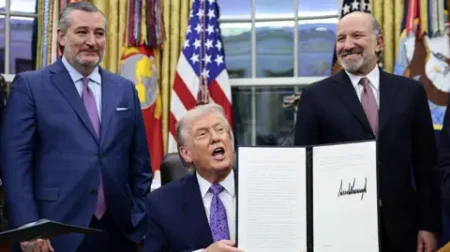
Following this ruling, TikTok finds itself with the option to escalate its legal efforts to higher courts, including the esteemed Supreme Court of the United States. This represents an ongoing confrontation between the app and the U.S. government. Notably, developments in the political landscape, particularly regarding the 2024 U.S. Presidential Election, may play a crucial role in TikTok’s fate. Former President Donald Trump’s potential re-election could provide an opportunity for TikTok, as he previously opposed banning the platform during his first term.
In 2020, Trump attempted to impose a ban on TikTok but later walked back on that proposal. In the lead-up to the November elections, he has expressed intentions to prevent the enforcement of such a ban. Not only does this political angle introduce uncertainty, but it also raises questions about the influence of corporate interests in shaping regulatory decisions, especially concerning competitors like Meta Platforms, Inc., which owns Facebook, Instagram, WhatsApp, and Threads.
Meta has been actively adapting its platforms to compete with TikTok’s popular format of short-form videos. This endeavor includes implementing features that echo TikTok’s functionality, reflecting Meta’s desire to diminish TikTok’s dominance in the social media arena. These changes raise broader discussions about enterprise competition and market dynamics within the tech industry.
In light of the court’s decision, TikTok and its parent company, ByteDance, are yet to comment publicly about the ruling or the immediate steps they plan to take. The appeals court’s ruling confirms that TikTok will become inaccessible to users in the U.S. from January 19, 2025, unless a higher court intervenes in the meantime.
This situation highlights the intricate web of legal, political, and economic factors that social media platforms must navigate in the increasingly scrutinized digital landscape. As TikTok faces the potential reality of losing its foothold in one of its most important markets, the broader implications for user engagement, cultural exchange, and international relations remain a topic of significant debate and speculation. The next few months will undoubtedly be critical for TikTok as it weighs its options and strategizes its future in the United States.