


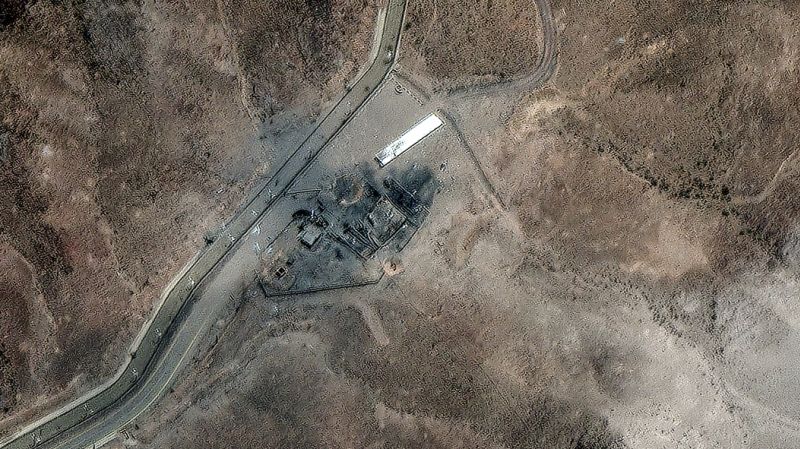
The recent airstrikes conducted by the U.S. military in Iran have sparked a rapid and multifaceted response across various segments of the federal government, primarily aimed at preparing for potential repercussions. However, current and former officials express concerns that recent cost-cutting measures driven by the administration, notably through initiatives like the Department of Government Efficiency (DOGE), have hampered these efforts. This downsizing has been prominent in numerous federal agencies, complicating the U.S. ability to deal with the conflict and possible retaliatory actions.
In the realm of cybersecurity, where several agencies operate to protect national security, the departure of hundreds of personnel has intensified fears surrounding operational vulnerabilities. As skilled staff exit the Federal Emergency Management Agency (FEMA), anxieties about domestic preparedness are mounting. Many of these losses stem from a broader trend of staffing shortages, which complicates the nation’s readiness to respond to cybersecurity threats, particularly those that could originate from Iran or its affiliates.
At the FBI, there’s been notable movement of personnel as agents who once contributed to immigration enforcement refocus on counterterrorism efforts in light of heightened risks. Meanwhile, seasoned diplomats and regional experts within the State Department have been lost through attrition or dismissals, further impacting the U.S.’s ability to navigate the complexities of foreign relations with Iran and its neighboring regions. This reduction in experience has led to a weakened narrative capability, particularly within government-supported broadcasting entities like the Voice of America, whose role in disseminating American perspectives to Iranians has been adversely affected.
In the wake of the U.S. military actions, a fragile ceasefire between Iran and Israel was brokered, somewhat easing the fears of immediate retaliatory threats from Iranian-linked entities on U.S. soil. Nevertheless, experts caution that the Iranian regime retains significant capabilities in non-military responses, including cyberattacks or using asymmetric warfare tactics. John Cohen, a previous counterterrorism coordinator, has articulated concerns that Iran is likely to consider such alternative methods in retaliation, heightening the urgency for U.S. agencies to recalibrate their focus, especially given their decreased capacities.
During the early stages of President Trump’s second term, his administration enforced substantial reductions in federal personnel that resulted in the loss of over 100,000 workers. Although ongoing legal challenges complicate the situation, the legislative and operational focus has predominantly centered on immigration and border security, sidelining critical national security priorities related to foreign threats like those posed by Iran. Vice President JD Vance emphasized the correlation between national security and border control, underscoring a strategy that prioritizes domestic safety amid a backdrop of international tension.
Former intelligence officials assert that potential cyber retaliations from Iran are a distinct possibility, particularly given the substantial loss of cybersecurity personnel across federal divisions including the Cybersecurity and Infrastructure Security Agency (CISA), which is tasked with protecting critical infrastructure from hacking threats. Jeff Greene, a former executive at CISA, indicated that the workforce attrition would undoubtedly impair defensive measures against cyber threats. Meanwhile, the Trump administration has attempted to downplay the significance of these layoffs, arguing that they do not inherently jeopardize national security.
The claims from the administration suggest that not all workforce reductions relate to direct personnel cuts; some involve shifts in private sector contracts. However, definitive numbers on personnel losses remain ambiguous as CISA has not provided requested information regarding staff departures. Meanwhile, as U.S. government agencies grapple with personnel reductions, confidence in their readiness to respond effectively to any threats from Iran diminishes, raising questions regarding the integrity of national security initiatives that encompass both internal preparedness and diplomacy.
Regarding FEMA, significant staffing reductions have raised alarms about the agency’s ability to handle domestic crises, particularly in light of escalating tensions with foreign adversaries. Historical data regarding Russia’s incursions into Ukraine guided FEMA’s previous preparations, but such initiatives have stalled amid internal disruptions. The agency’s attrition has resulted in dwindling morale and uncertainty, which may hinder its essential mission to protect U.S. citizens.
The State Department’s absence of leadership in crucial regional positions has similarly been a cause for concern. The dearth of seasoned diplomats to negotiate intricate issues, such as potential diplomatic resolutions regarding Iran’s nuclear capabilities, may thwart progress on peace initiatives. Veteran diplomats and experts are vital for crafting enforceable agreements, highlighting the necessity for coherent foreign policy supported by strategic diplomacy rather than engaging in destructive tactics.
The budgetary cuts executed under the DOGE initiative have not only restricted personnel but have undermined programs intended to promote democracy and free dialogue within repressive societies. The Voice of America is swift to highlight these setbacks, with many professionals being furloughed or laid off under the current administration’s directives. This places an emphasis on the need for continued access to factual reporting in regions such as Iran, particularly when traditional communication channels may be compromised.
In conclusion, the interwoven challenges posed by reduced staffing, budgetary constraints, and shifting priorities within federal agencies pose significant hurdles for the U.S. as it navigates its international relations, particularly