
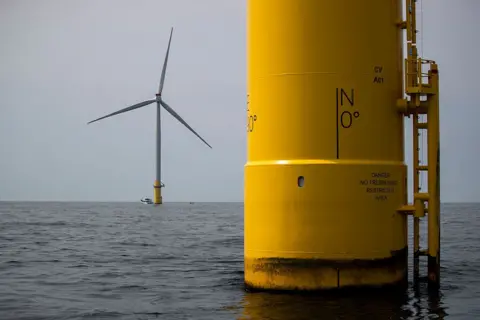
In a significant policy shift, the United States has announced an immediate suspension of offshore wind energy project leases. This decision affects several large-scale projects located near the Atlantic coastline, which have been under development. The Department of the Interior cited national security concerns as the primary reason for this halt, specifically issues related to how wind turbines could potentially interfere with radar systems that are crucial for the safety and security of cities along the East Coast.
The sweeping announcement included five projects located off the coasts of New York, Virginia, Massachusetts, Rhode Island, and Connecticut. The concern is primarily centered around “radar clutter.” This phenomenon can obscure real moving targets or create false reflections, which complicates the identification of aircraft within our airspace. Interior Secretary Doug Burgum emphasized that the radar interference could make it difficult to distinguish friendly aircraft from potential threats, highlighting the potential dangers in light of recent global conflicts where drone strikes have become more prevalent.
The timing of this decision is critical, as it comes amidst earlier federal court rulings that challenged similar bans attempted by former President Donald Trump, labeling them as “arbitrary and capricious.” The suspension has drawn immediate backlash from various stakeholders in the renewable energy sector, as State leaders and renewable energy companies expressed alarm at the administration’s stance. Connecticut’s Governor Ned Lamont described the pause as “erratic,” warning that it will lead to increased electricity prices and jeopardize jobs related to clean energy production.
Prominent companies in the wind energy sector, such as Dominion Energy, which is overseeing the development of the Virginia offshore project, defended their initiatives. Dominion asserted that their pilot turbines have been operating for five years without impacting national security, leading to a notable drop in its stock price of over 3% following the announcement of the lease suspension. The Danish wind energy giant Orsted saw a more dramatic 12% depreciation in its stock value, while Vestas, a manufacturer of wind turbines, experienced a decline of about 2.6%.
In a broader context, the Department of the Interior’s recent remarks indicated that the pause is a response to the evolving national security risks posed by advances in adversarial technology. The pause comes at a time when the demand for energy in the U.S. is poised to rise, a trend driven primarily by the growing needs of artificial intelligence firms and other technology-driven sectors. This situation has further complicated the endeavor to balance renewable energy expansion with security considerations, thus prompting a thorough review of the potential impacts of offshore wind projects.
While the administration has emphasized national security implications, it’s evident that the pause reverberates through the business community and the renewable energy sector, raising questions about the future viability of wind energy projects in the U.S. As the country aims for energy independence and a transition toward renewable resources, the growing reliance on wind power as a sustainable energy source confronts new bureaucratic hurdles.
In conclusion, the suspension of offshore wind energy projects by the U.S. government marks a pivotal moment for the renewable energy sector, intertwining it with the pressing realities of national security. State officials, industry leaders, and the public are now left grappling with the implications of this halt while facing the ongoing urgency to understand the complexities of energy production and national security in a rapidly evolving world. This unfolding situation showcases the delicate balance that must be maintained between progressing towards a sustainable energy future and addressing legitimate security concerns.