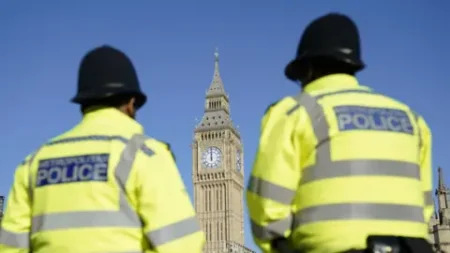



The Metropolitan Police have referred a significant investigation concerning a Westminster “honeytrap” case to prosecutors, signaling a critical stage in legal proceedings. This revelation, reported by the BBC, emphasizes the seriousness of the situation that has unfolded in the political corridors of London. A honeytrap typically involves enticing individuals with romantic or sexual promises to extract sensitive information or compromise them in some way, which in this instance has targeted influential figures, primarily in the political realm.
In June, a pivotal event occurred when authorities made an arrest of a man in his mid-20s in Islington. He was apprehended on suspicions of violating the Online Safety Act and harassment. Although the suspect remains under investigation, his arrest marks a notable moment in this case, suggesting that the police are taking the allegations seriously. The nature of the offences under scrutiny highlights the growing concern over online harassment and the safety of individuals in public life, particularly as it pertains to the use of digital platforms for predatory behavior.
Earlier this year, several men, many of whom work within political spheres, reported receiving flirtatious and often inappropriate messages through WhatsApp. The senders, identified by names such as “Charlie” or “Abi,” allegedly engaged in exchanging explicit images and messages that crossed the line into harassment. This unsettling trend has prompted serious conversations about the safety and integrity of individuals within the political sector, raising questions about how such close-knit communities are vulnerable to manipulation and deceit.
Prominent figures have also expressed personal ramifications from the honeytrap scheme, notably William Wragg, a former Member of Parliament (MP). Wragg resigned from the Conservative whip, revealing that he disclosed the phone numbers of fellow MPs to a man he encountered on a dating app. His admission of being “scared” reflects a broader fear that many in similar positions might face—fear of exposure, manipulation, or even greater personal harm. This incident underscores how dating apps can be exploited for malevolent intentions and how young political figures are increasingly vulnerable to such tactics.
In response to the unfolding events, Labour suspended the man who had been a member of their party upon learning of his arrest. This swift action represents a clear stance against such misconduct and highlights the repercussions individuals may face within political affiliations when implicated in activities that could harm others and undermine party integrity. Further complicating the situation, the former Conservative MP for Bosworth, Luke Evans, has also come forward, stating that he reported being a victim of cyber-flashing and malicious communication. This testimony reinforces that these issues are not isolated incidents, but rather part of a disturbing pattern affecting multiple individuals in the political landscape.
In April, the Metropolitan Police took proactive measures by announcing an investigation into reports of unsolicited messages sent to MPs and other officials, which speaks to the growing awareness of this issue. By actively looking into such cases, the police demonstrate a commitment to addressing and mitigating the risks posed to public figures by malicious online behavior.
The myriad accounts and developments surrounding this Westminster “honeytrap” indicate a pressing need for closer examination of how politics, technology, and personal safety intersect in modern society. As these investigations continue and more victims come forward, it will be crucial for authorities to implement robust protections for individuals in vulnerable positions while holding perpetrators accountable for their actions. The ramifications of this case could extend beyond the immediate individuals involved, potentially influencing the broader conversation about online safety, harassment, and the responsibilities of social platforms in protecting their users.