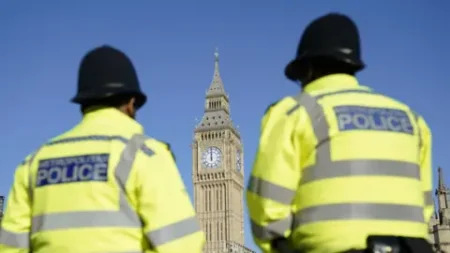



In the United Kingdom, the intersection of gender identity, women’s rights, and political correctness has ignited a contentious debate, particularly manifesting in Westminster. This discourse has been exemplified by the question, “What is a woman?”—a seemingly simple inquiry that has led to complex political ramifications, conflicts within parties, and public spats. The recent Supreme Court ruling aims to provide clarity on this issue, potentially stabilizing a volatile conversation that has bewildered key political figures, especially Sir Keir Starmer, the leader of the Labour Party.
The backdrop to this situation is layered. Starmer publicly endorsed Tony Blair’s definition of a woman as someone with a vagina and a man as someone with a penis. This assertion attracted significant backlash, notably from notable figures like J.K. Rowling, who criticized the Labour Party’s handling of women’s issues under Starmer’s leadership as “dismissive and often offensive.” The matter of trans rights, particularly the concept of self-identification, has long been a thorny topic for Labour, as reflected in the party’s 2019 manifesto, which pledged to support such a framework.
As this dialogue evolved, the atmosphere in the Labour Party shifted, leading to notable events like Starmer silencing his own MP, Rosie Duffield, for her remarks that posit only women can have a cervix. The Labour leader’s consistently strained responses to this dilemma demonstrate the broader challenges faced by political leaders grappling with divided opinions about gender identity.
Moving forward, the Supreme Court’s ruling may bring some resolution to these disputes, offering a legally established definition that can guide political discourse. Following the ruling, party dynamics have notably shifted. The Conservative Party has seized upon the ruling as a triumph for women who have faced backlash for asserting traditional definitions of gender. Kemi Badenoch, the Conservatives’ leader and Minister for Women and Equalities, heralded the decision as a victory for the women unjustly maligned for their beliefs.
Trans rights advocates, who assert their identities regardless of biological definitions, have voiced frustration over the ruling. Within Labour, Starmer’s increasingly cautious stance, which recognizes biological definitions while advocating for the fair treatment of trans individuals, has stirred discontent among more progressive factions of the party.
The complexities faced in the Liberal Democrats mirror those of Labour. While pro-trans rights, tensions exist within the party regarding the leader’s willingness to address gender identity issues directly. Sir Ed Davey’s comments on the gender debate further ignited conflict among party leaders and constituents. The party’s recent hesitance to engage with the group Liberal Voice for Women also highlights the difficulties in reconciling competing interests in the current climate.
Additionally, traditional party boundaries appear to blur as Reform UK and the Green Party voice starkly contrasting opinions on gender issues. Reform UK vehemently opposes what it terms “transgender indoctrination,” advocating for more rigid definitions of gender. In contrast, the Green Party, while publicly supporting trans rights, faces controversies of its own indicative of internal divisions surrounding these topics. A ruling made by a court against the Greens, which mandated them to pay substantial compensation to a former leader over discriminatory practices related to gender beliefs, encapsulates the difficulty of navigating these complex landscapes.
With passions ablaze and various parties taking distinct stances lining up against one another, the Supreme Court ruling might codify some aspects of the current debate but is unlikely to extinguish the fervor surrounding these discussions. The question of what defines a woman transcends mere legal definitions, embedding itself deep within societal, political, and personal identities. As demonstrated by the responses from Labour, the Conservatives, the SNP and more, Westminster’s struggle with the gender question reveals the intricate, often fraught, tapestry of contemporary British politics where identities clash, alliances reshape, and the course of political discourse remains anything but settled.